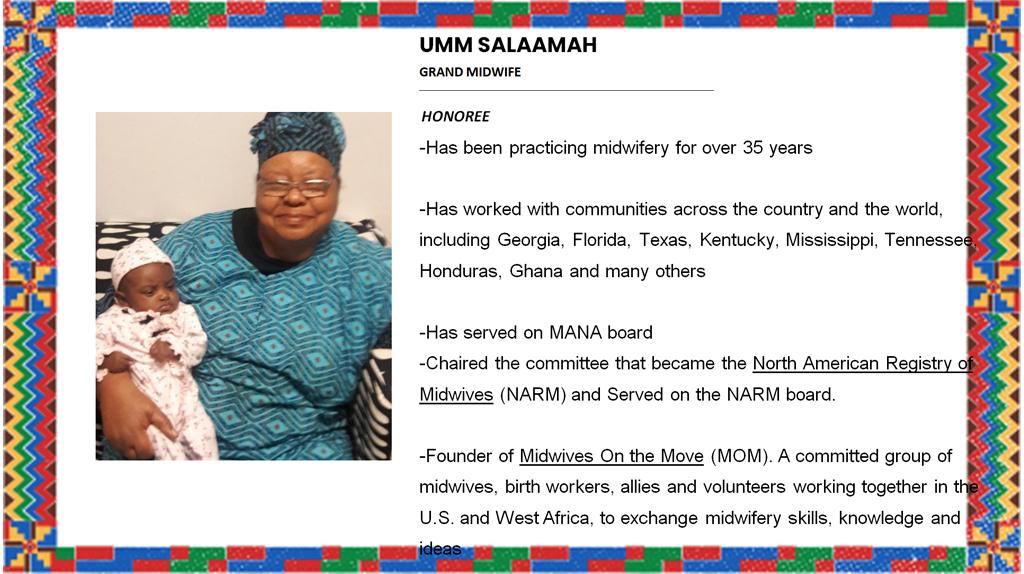
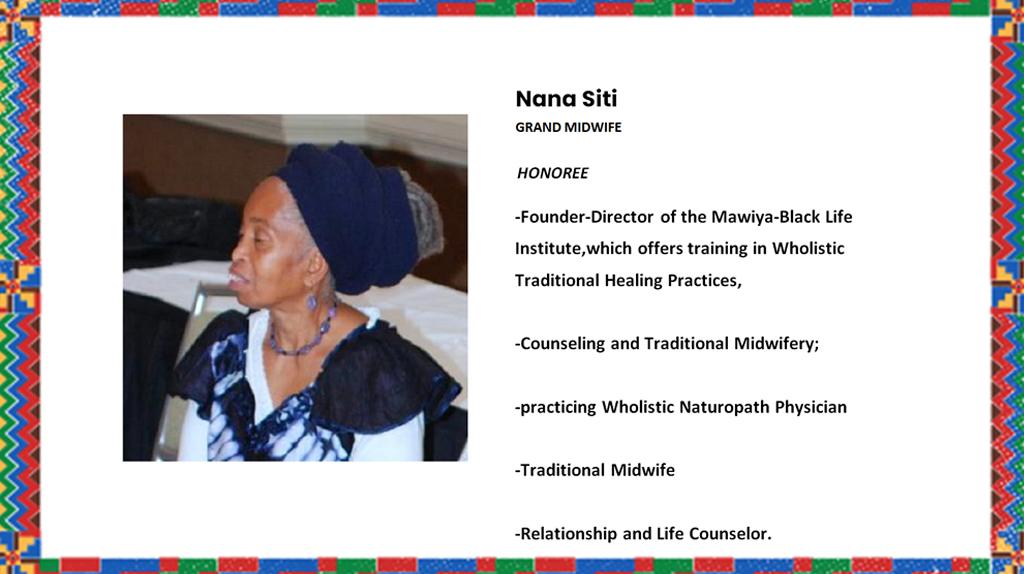
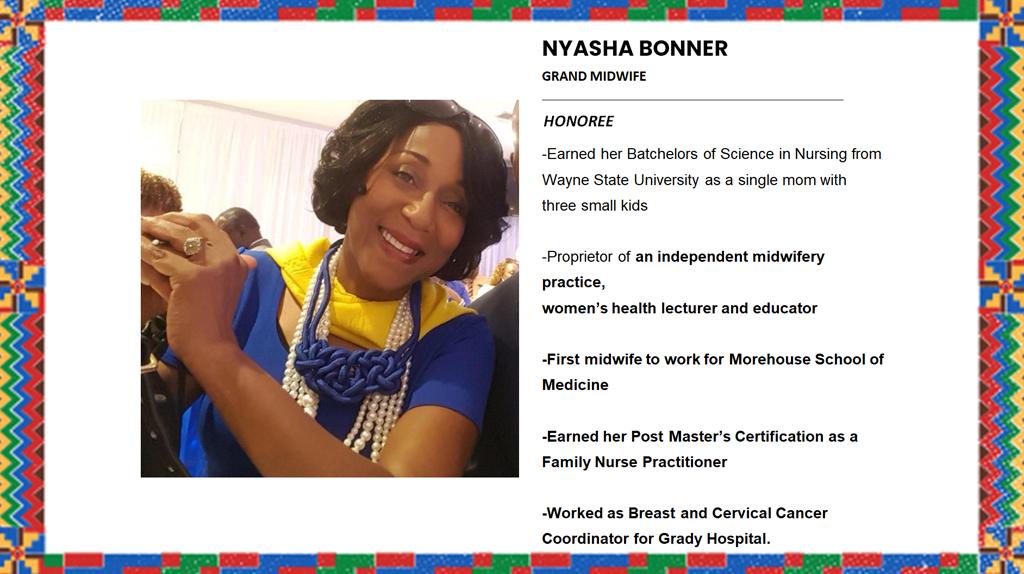
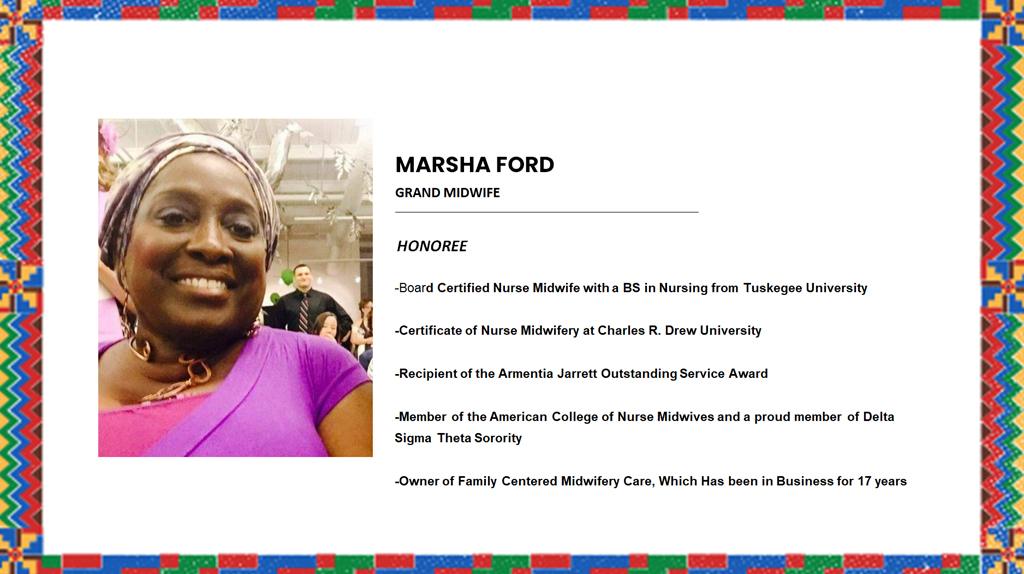
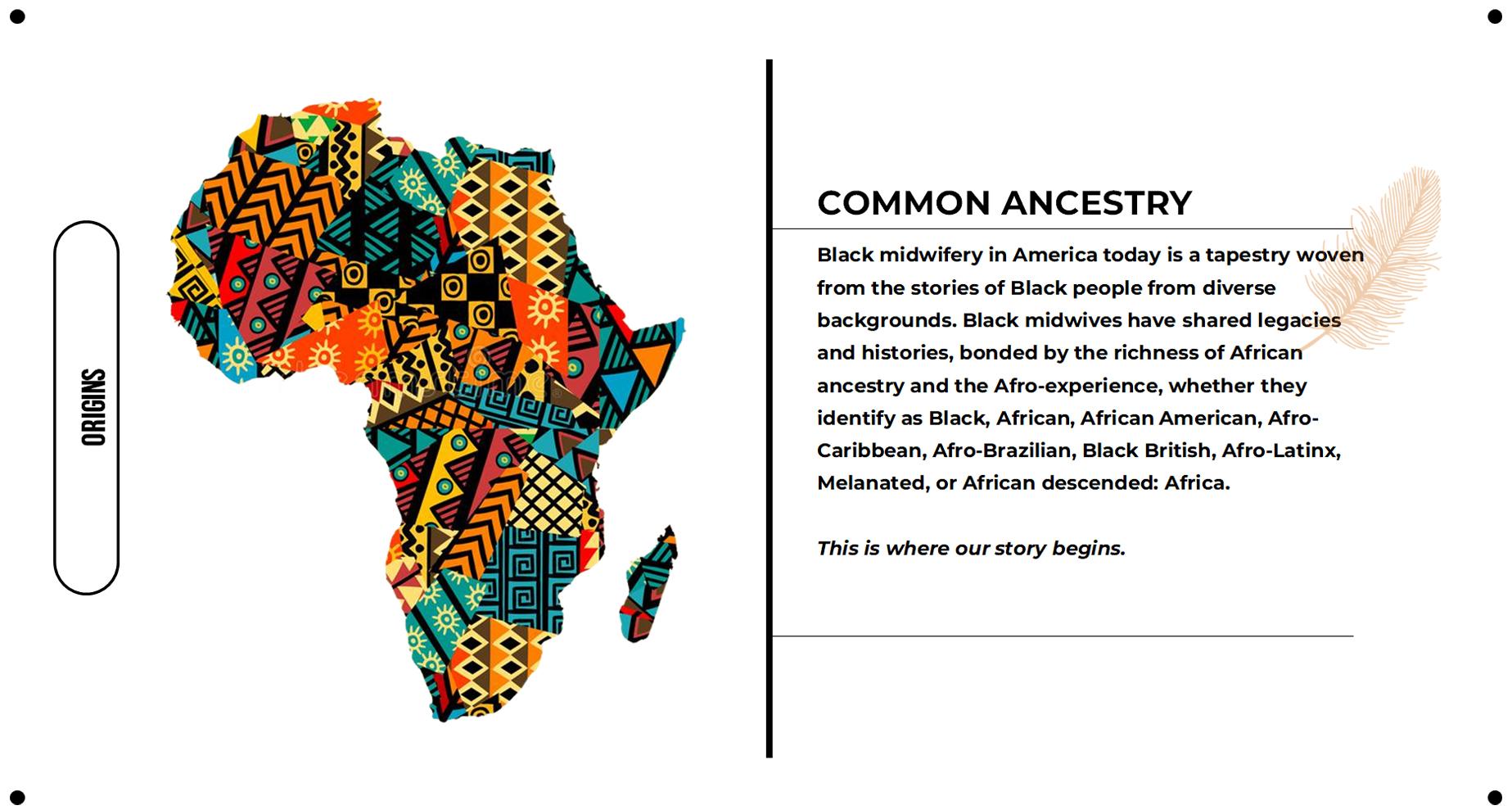
Black midwifery in America today is a tapestry woven from the stories of Black people from diverse backgrounds. Black midwives have shared legacies and histories, bonded by the richness of African ancestry and the Afro-experience, whether they identify as Black, African, African American, Afro-Caribbean, Afro-Brazilian, Black British, Afro-Latinx, Melanated, or African descended: Africa.
This is where our story begins.
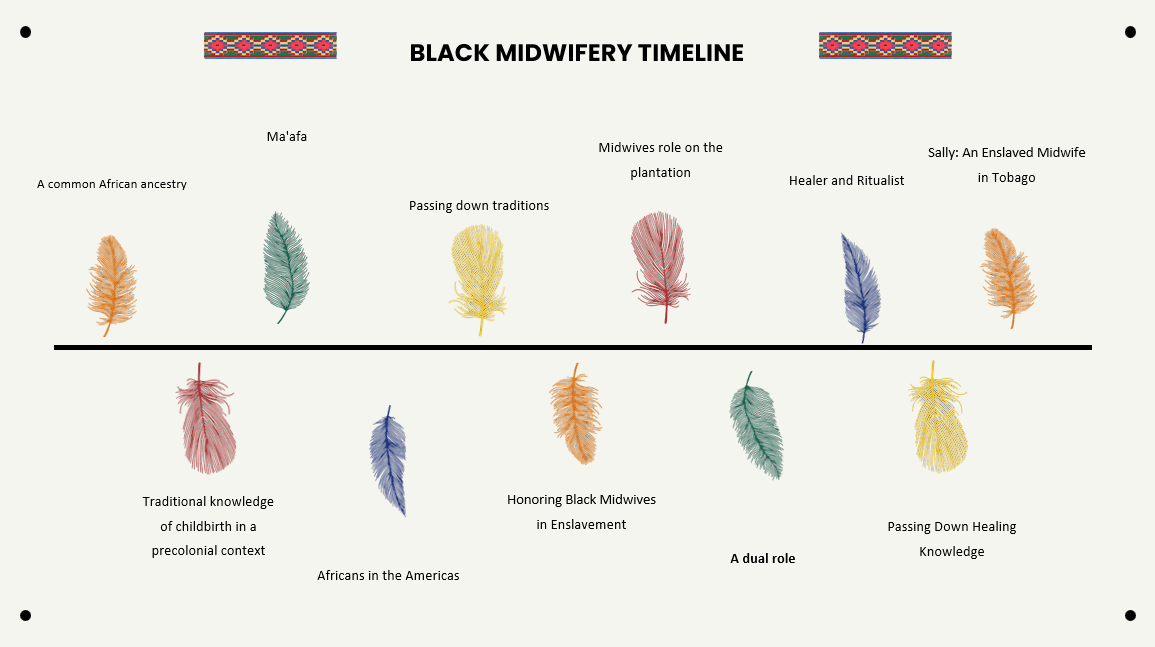
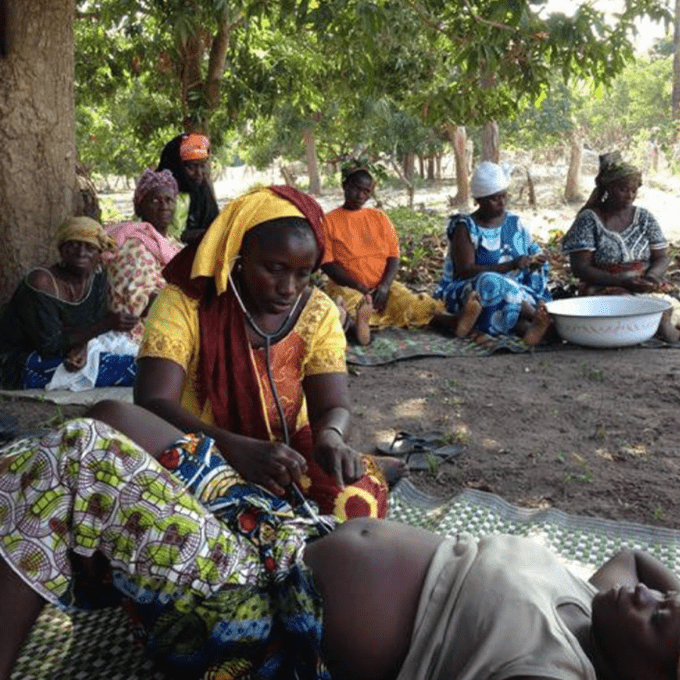
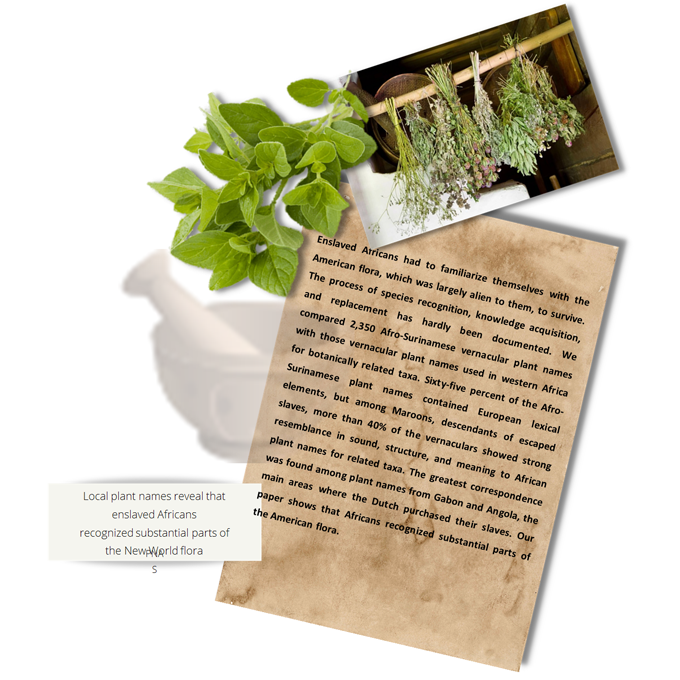
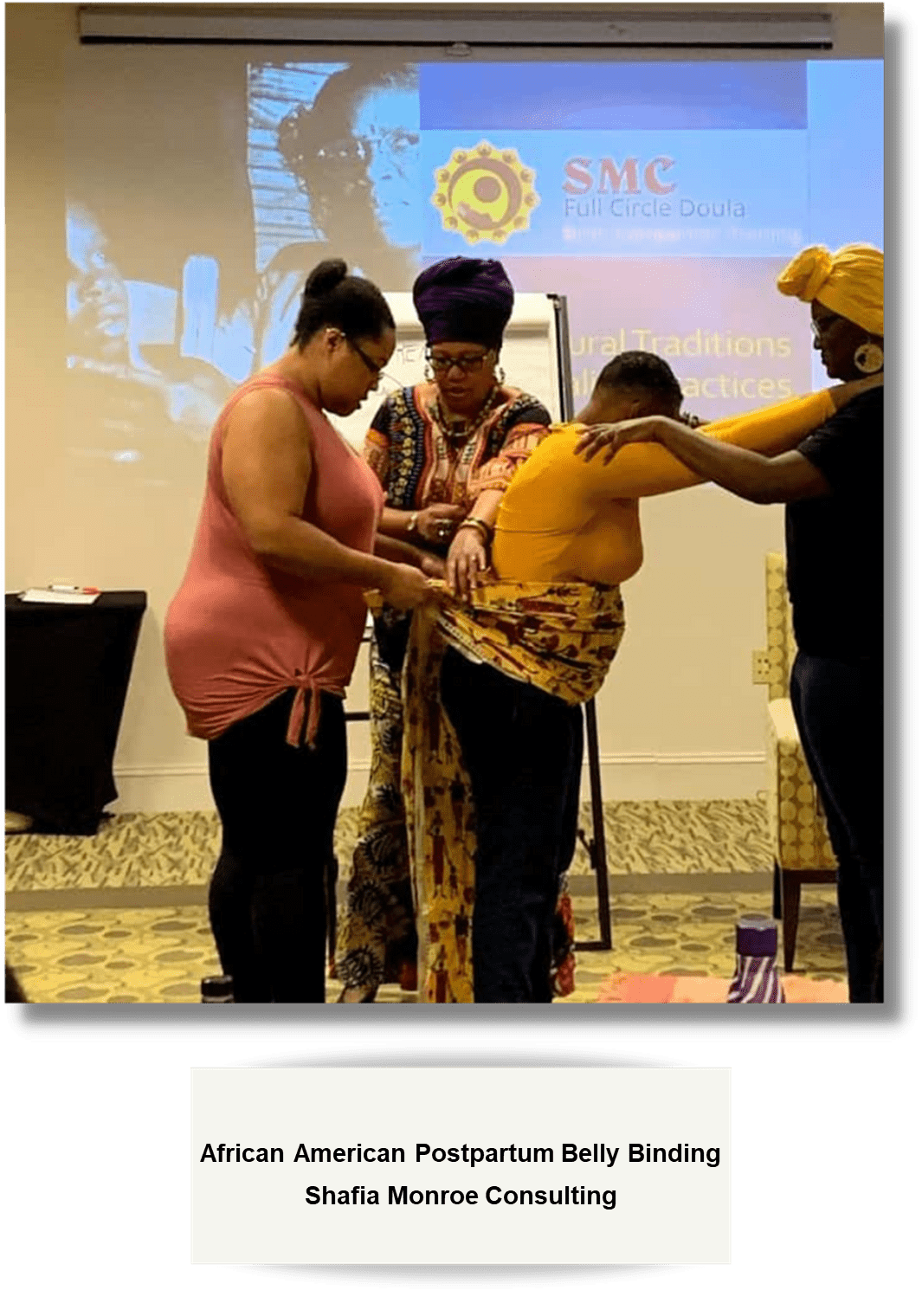
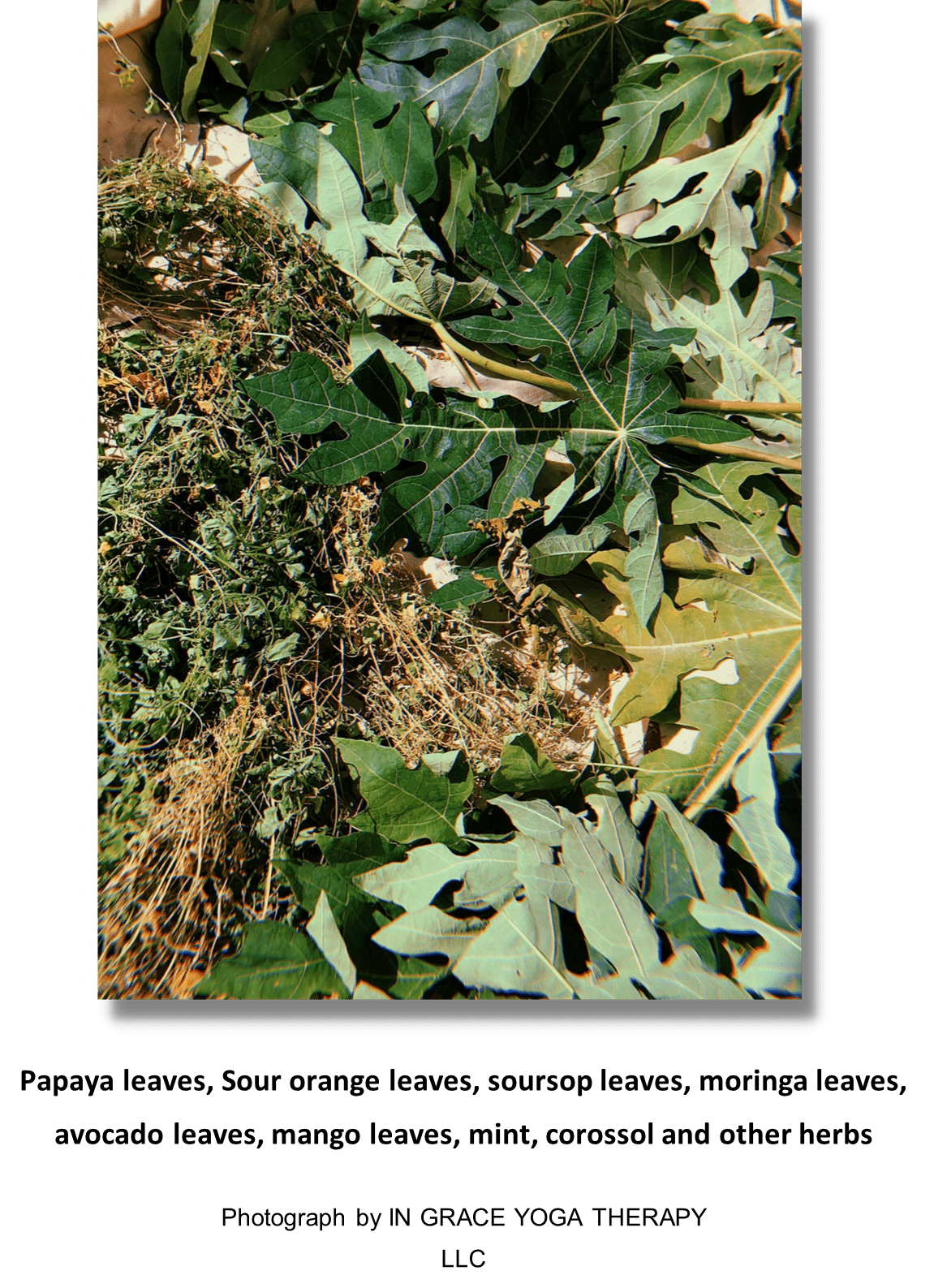
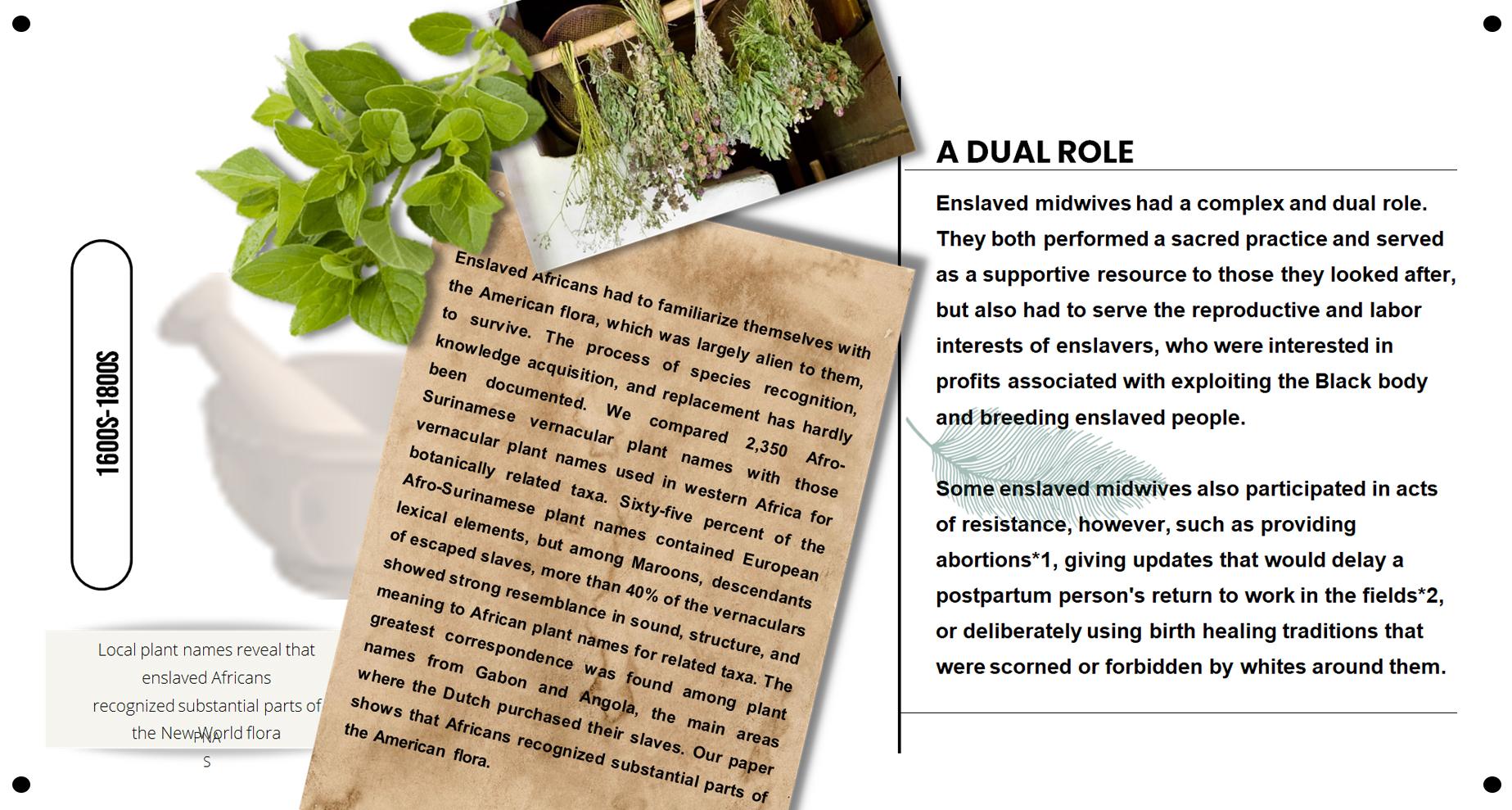
Traditional knowledge about attending to birth existed in Africa for thousands of years, like in many cultures across the world. Wherever there have been birthing people, there have been birthing attendants–for millenia. The beliefs, ideas, rituals, tools, approaches, and methods that African people devised for birth are as varied as African identity itself, ranging across region, ethnicity, and historical experience. These traits were passed down from generation to generation, adjusting, evolving, and adapting with time, context, innovation, and change; but there are some key threads that tie traditional African birth practices together: the use of plant medicines, the value of rituals, a strong sense of spirituality, and participation of community in pregnancy, birth, and postpartum care.
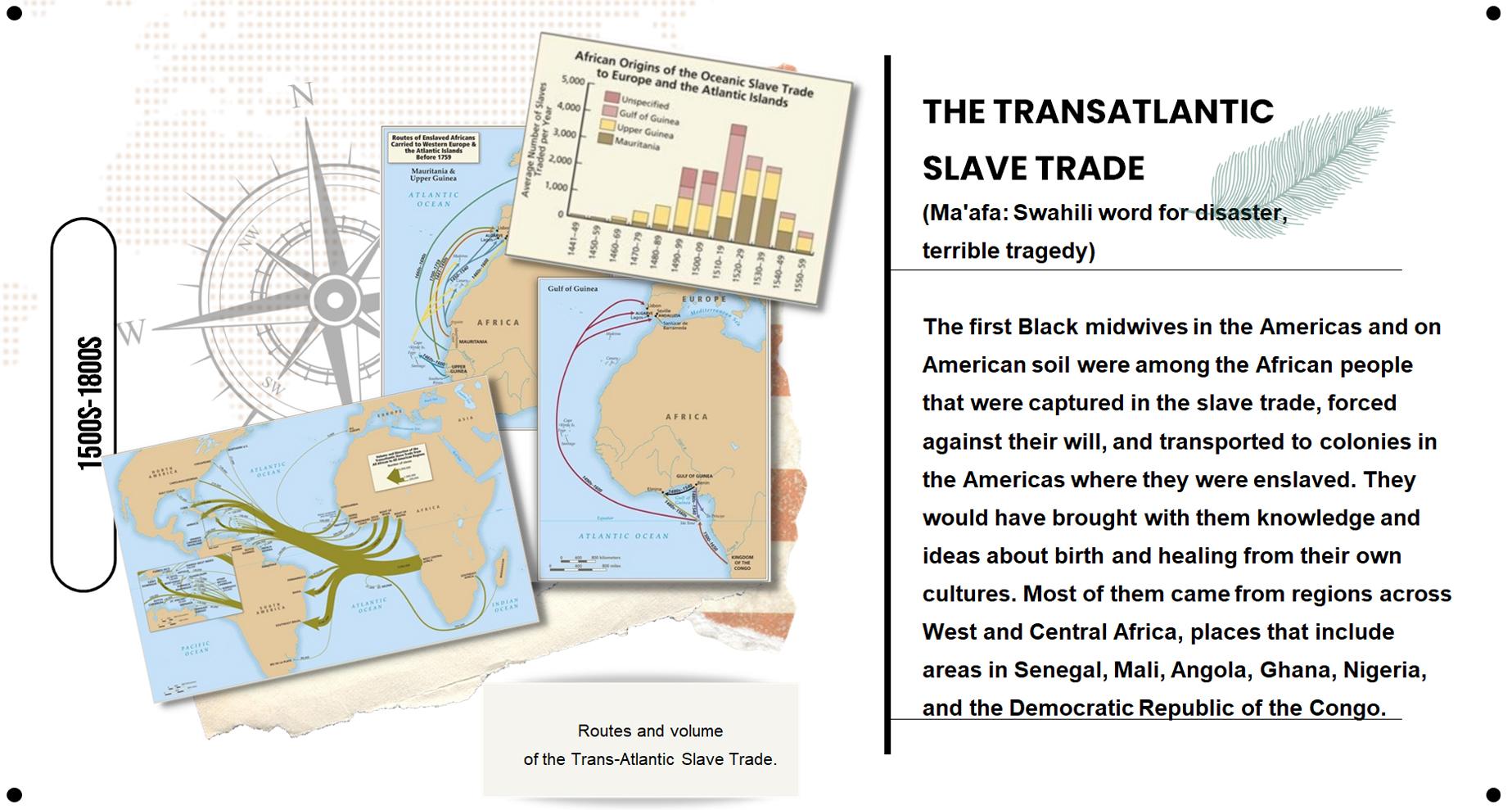
(Ma’afa: Swahili word for disaster, terrible tragedy)
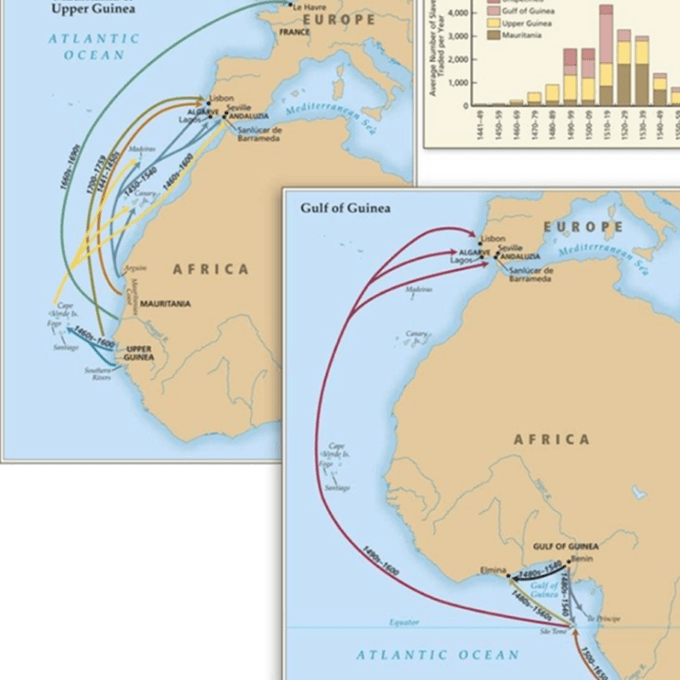
The first Black midwives in the Americas and on American soil were among the African people that were captured in the slave trade, forced against their will, and transported to colonies in the Americas where they were enslaved. They would have brought with them knowledge and ideas about birth and healing from their own cultures. Most of them came from regions across West and Central Africa, places that include areas in Senegal, Mali, Angola, Ghana, Nigeria, and the Democratic Republic of the Congo.
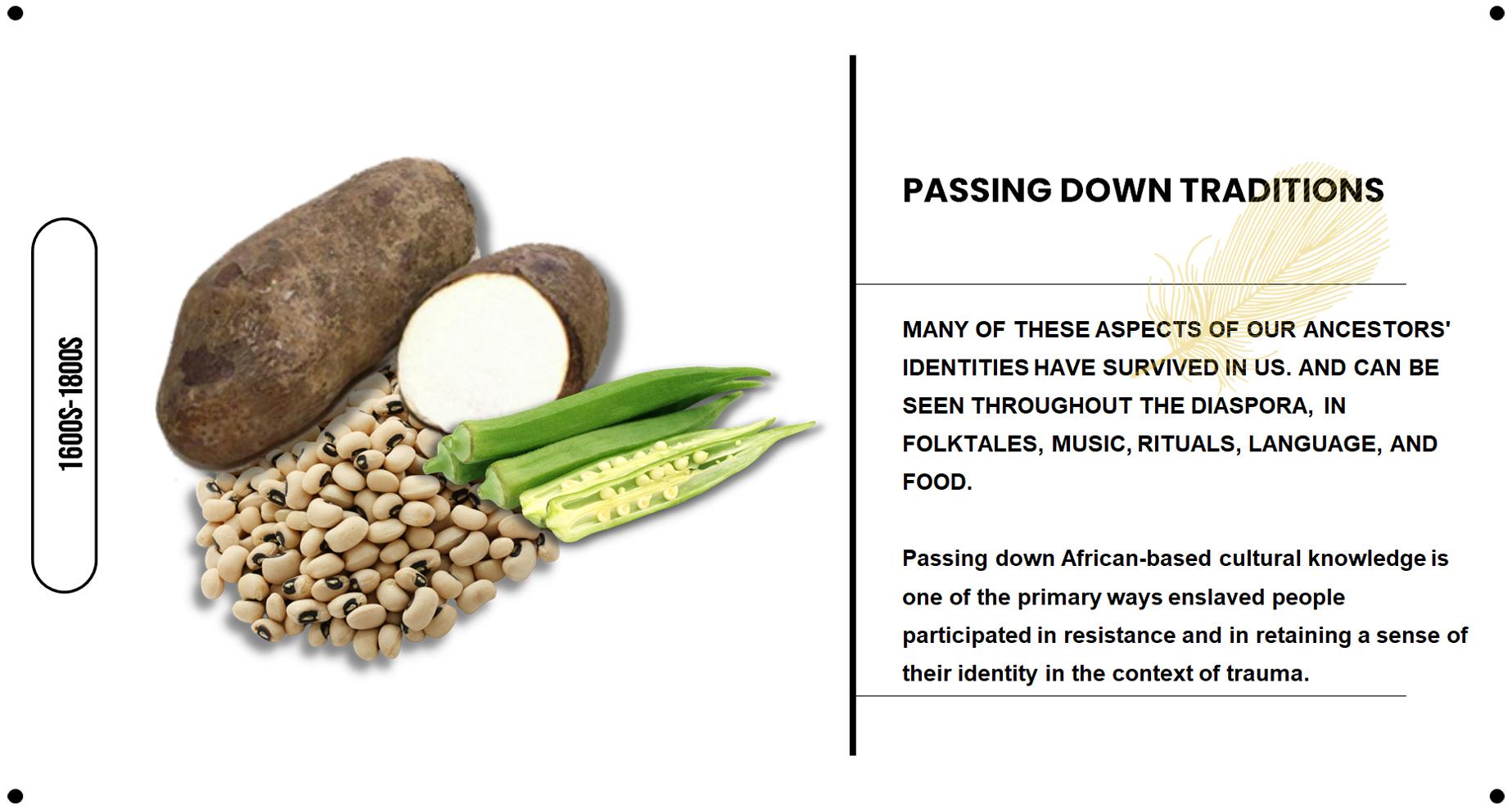
Our ancestors also brought nuances, customs, and attitudes unique to their culture with them as well as a variety of trades and skills. They were blacksmiths, artists, griots, priests, priestesses, warriors, woodworkers, weavers, herbalists, storytellers, cooks, and midwives.
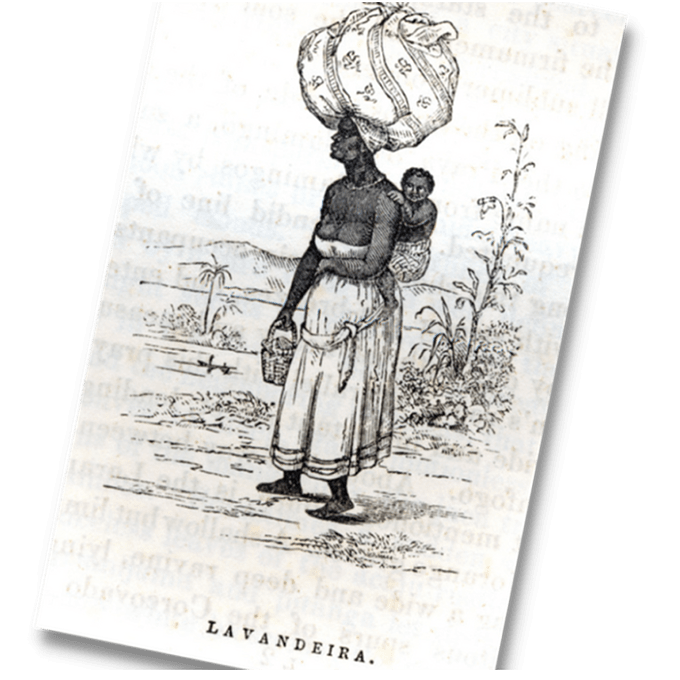
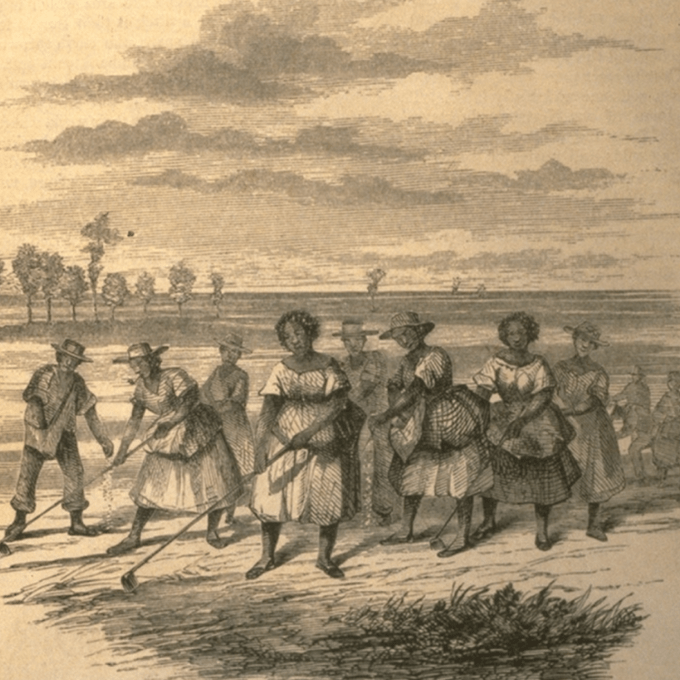
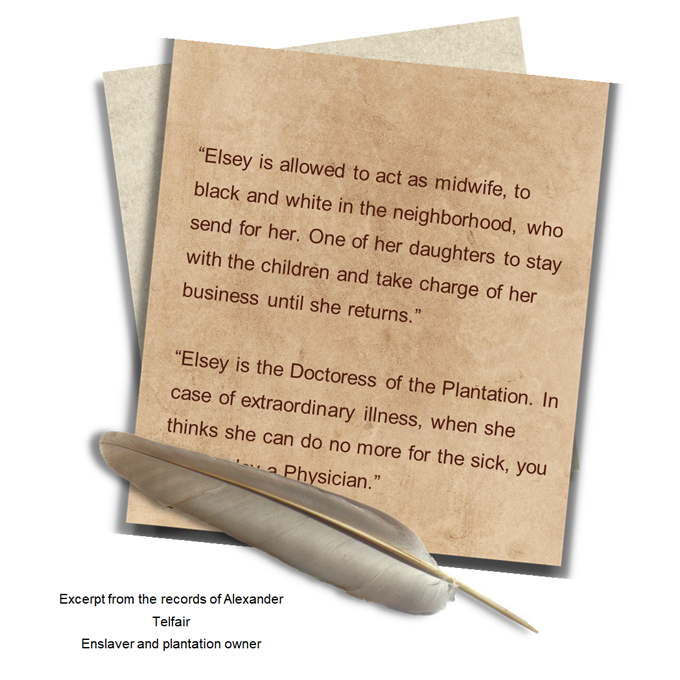
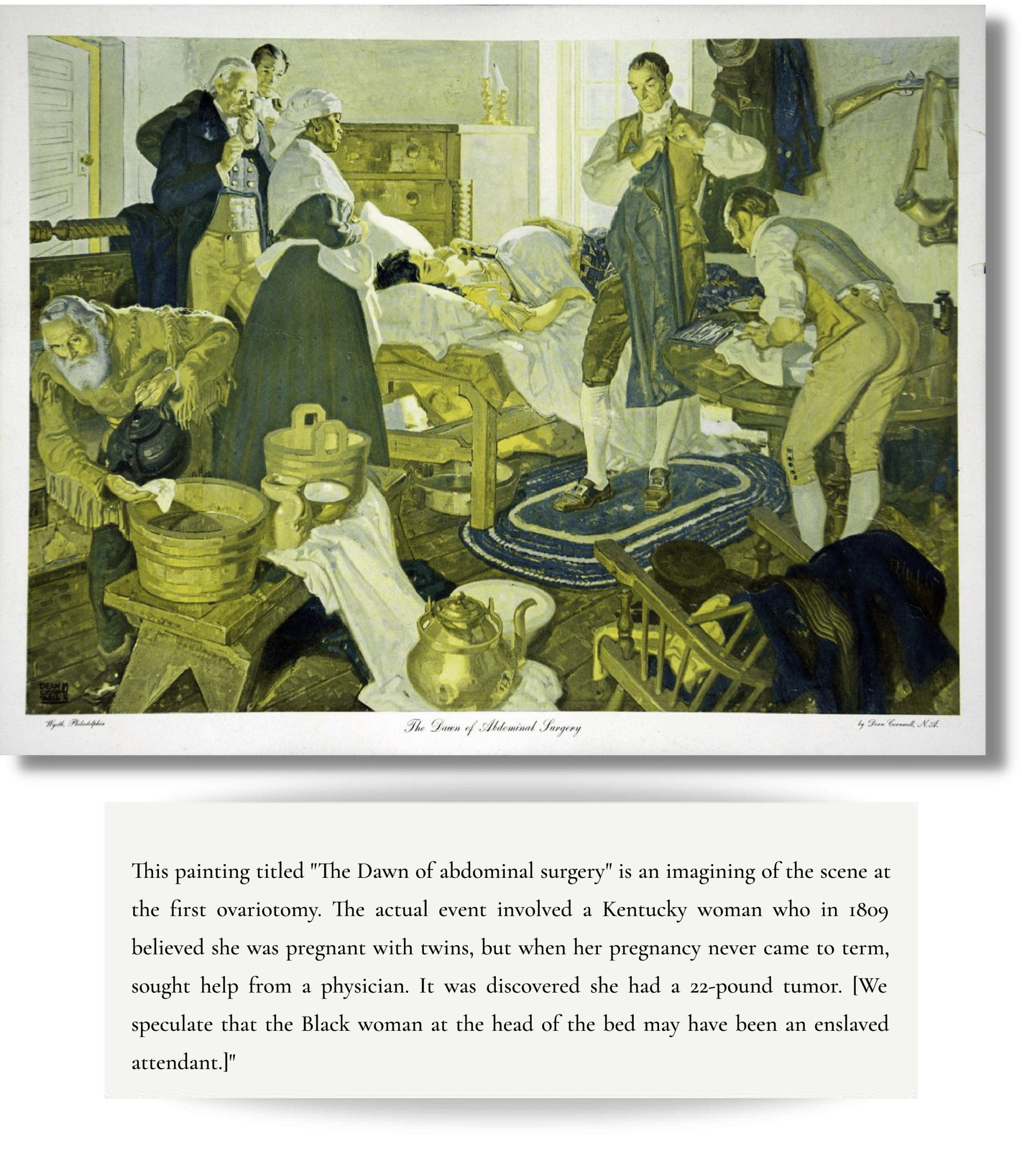
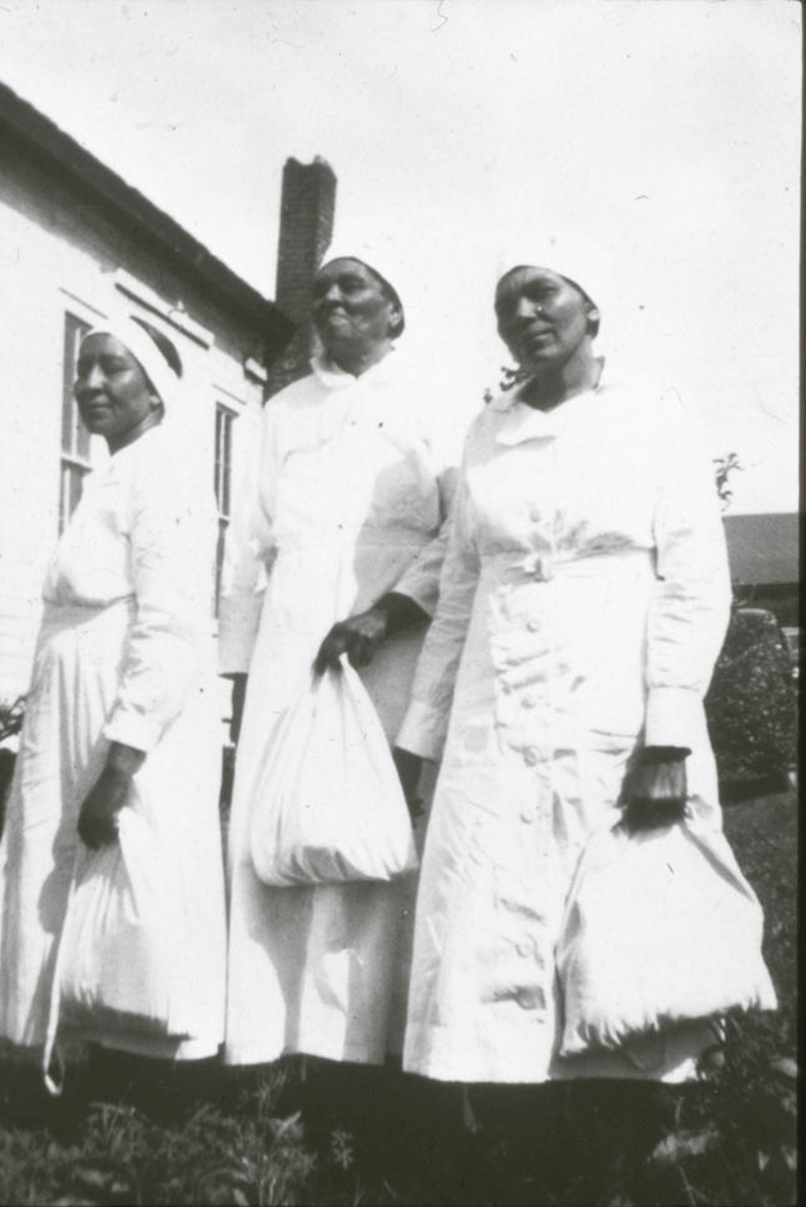
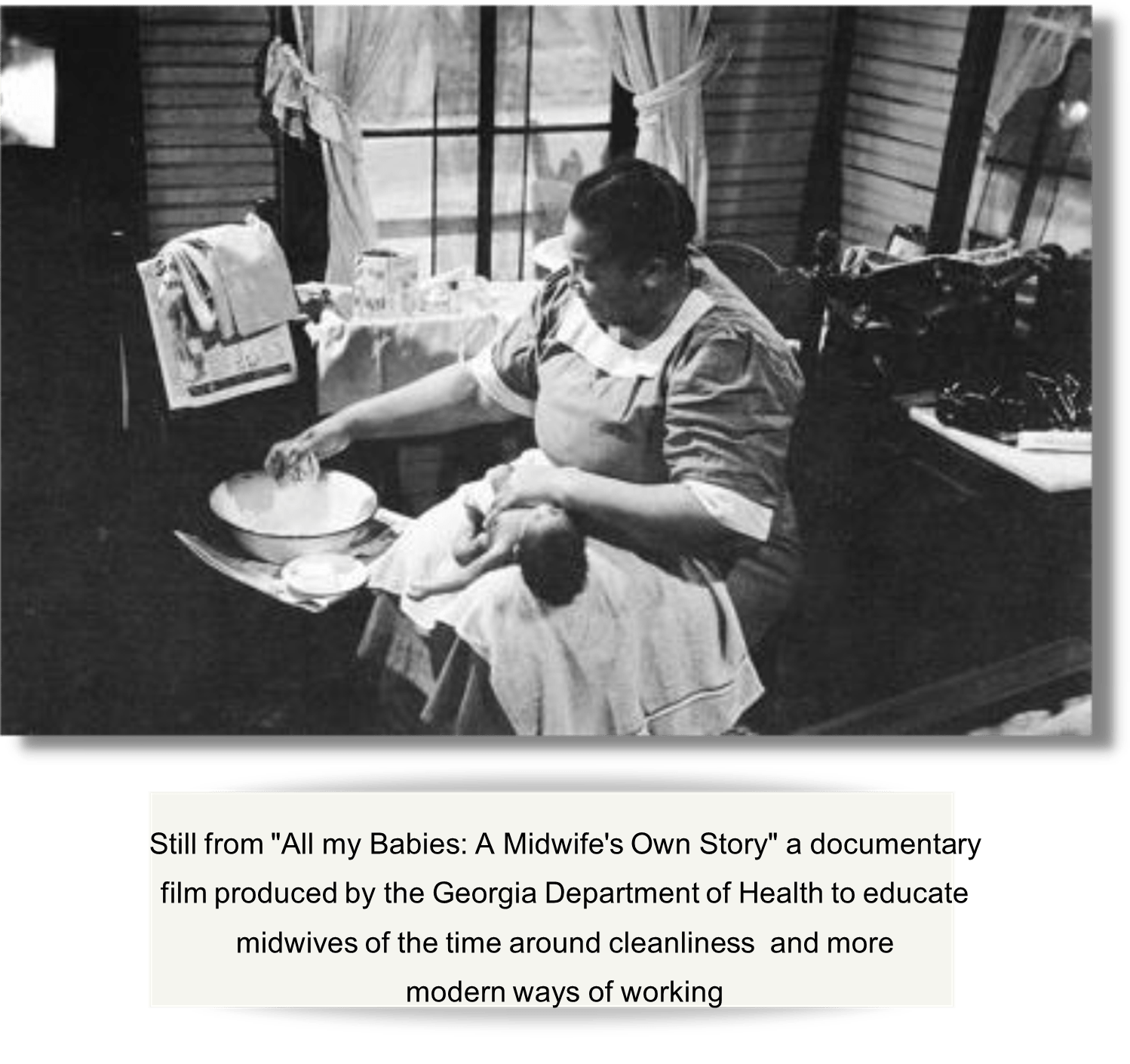
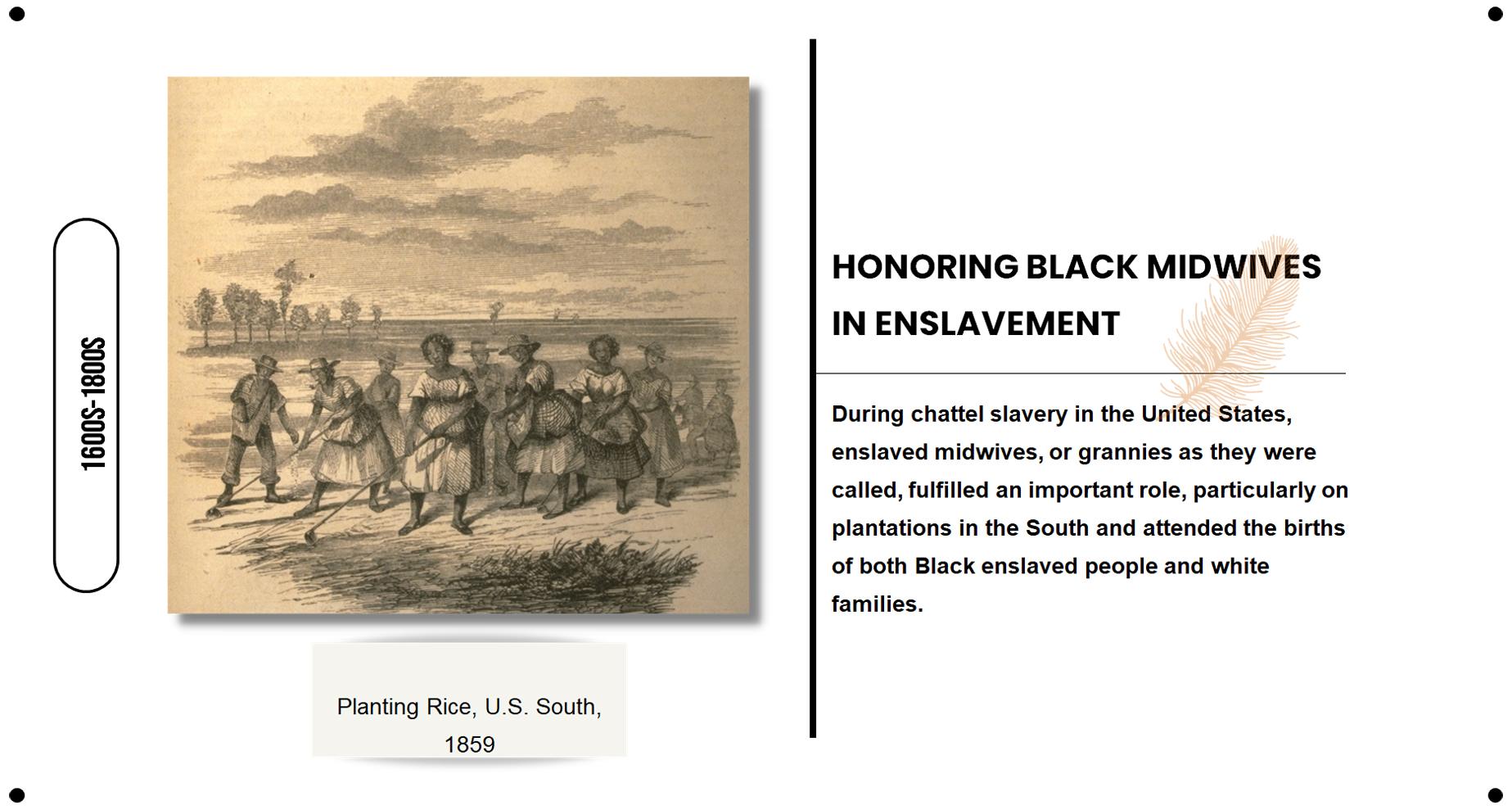
During chattel slavery in the United States, enslaved midwives, or grannies as they were called, fulfilled an important role, particularly on plantations in the South and attended the births of both Black enslaved people and white families.
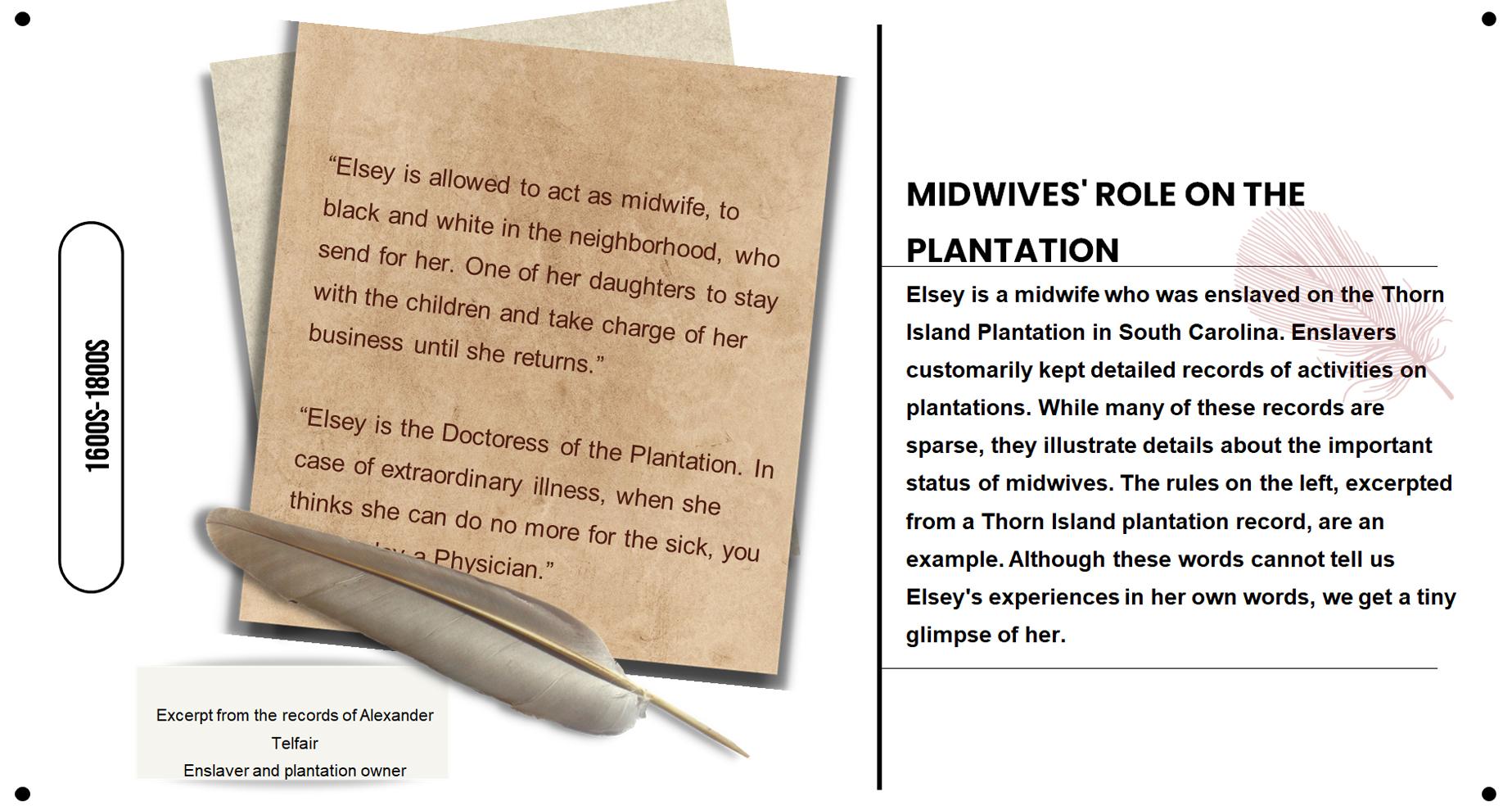
Enslaved midwives, like other healers, folk practitioners, and “root doctors,” exchanged their knowledge with other members of the plantation community and also taught women who apprenticed with them during birth. Members of the community also sought the help of spiritual healers if they had specific concerns or requests. This sharing of knowledge contributed to the survival of certain beliefs andpractices. For example, in South Carolina, where many Africans from Central Africa were brought, “slave communities […] fostered the Angolan/Kongo belief that the spirit/soul and the body are joint entities.
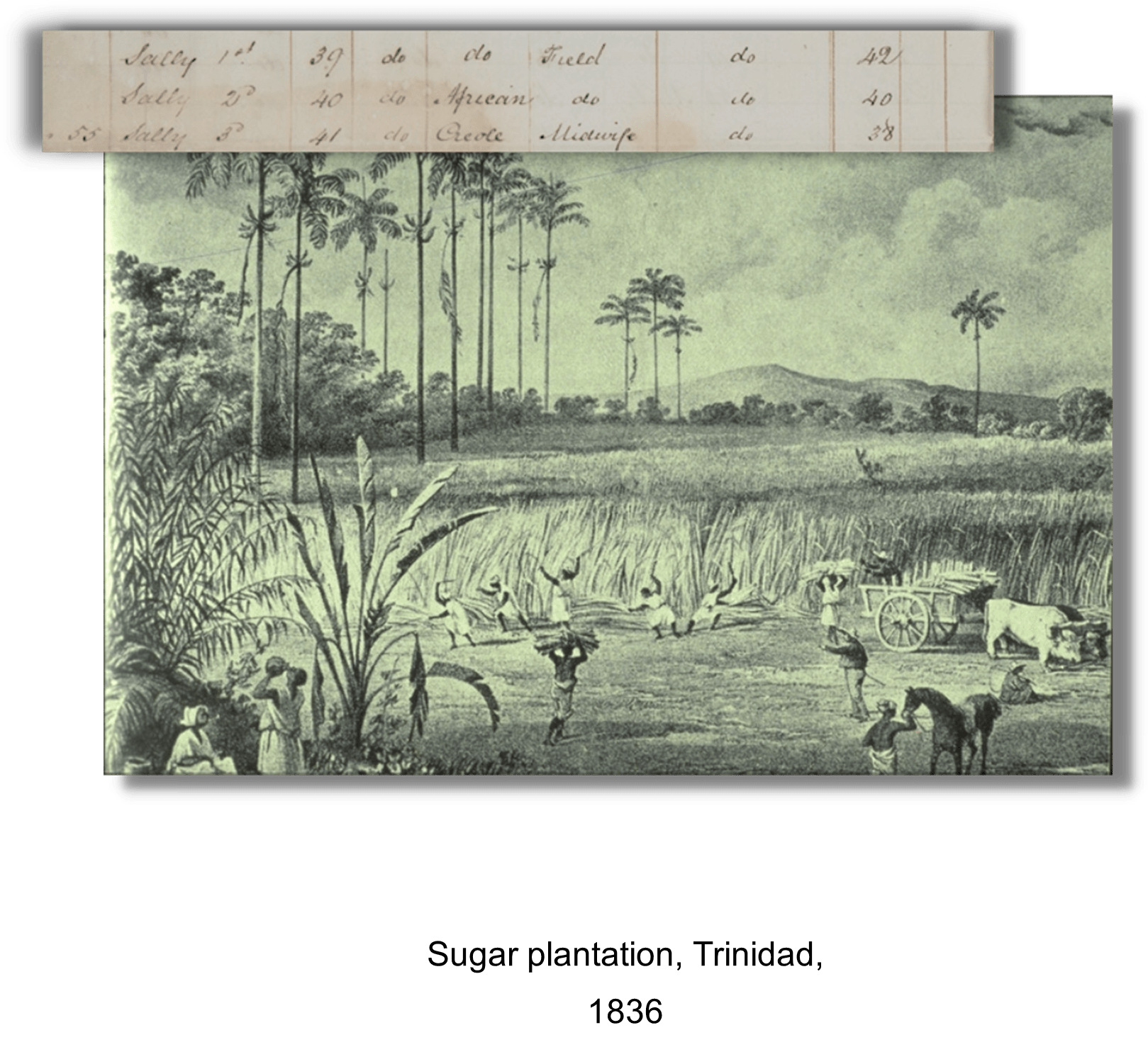
An excerpt from an 1829 estate appraisal shows number fifty-five: Sally, a 41-year-old creole woman living on the Invera Estate who is described as “healthy” and having an “appraisal value” of £38. One of three women listed with the same name, we know that Sally was likely born in the Americas and probably gained her skill from another Black midwife as an apprentice.
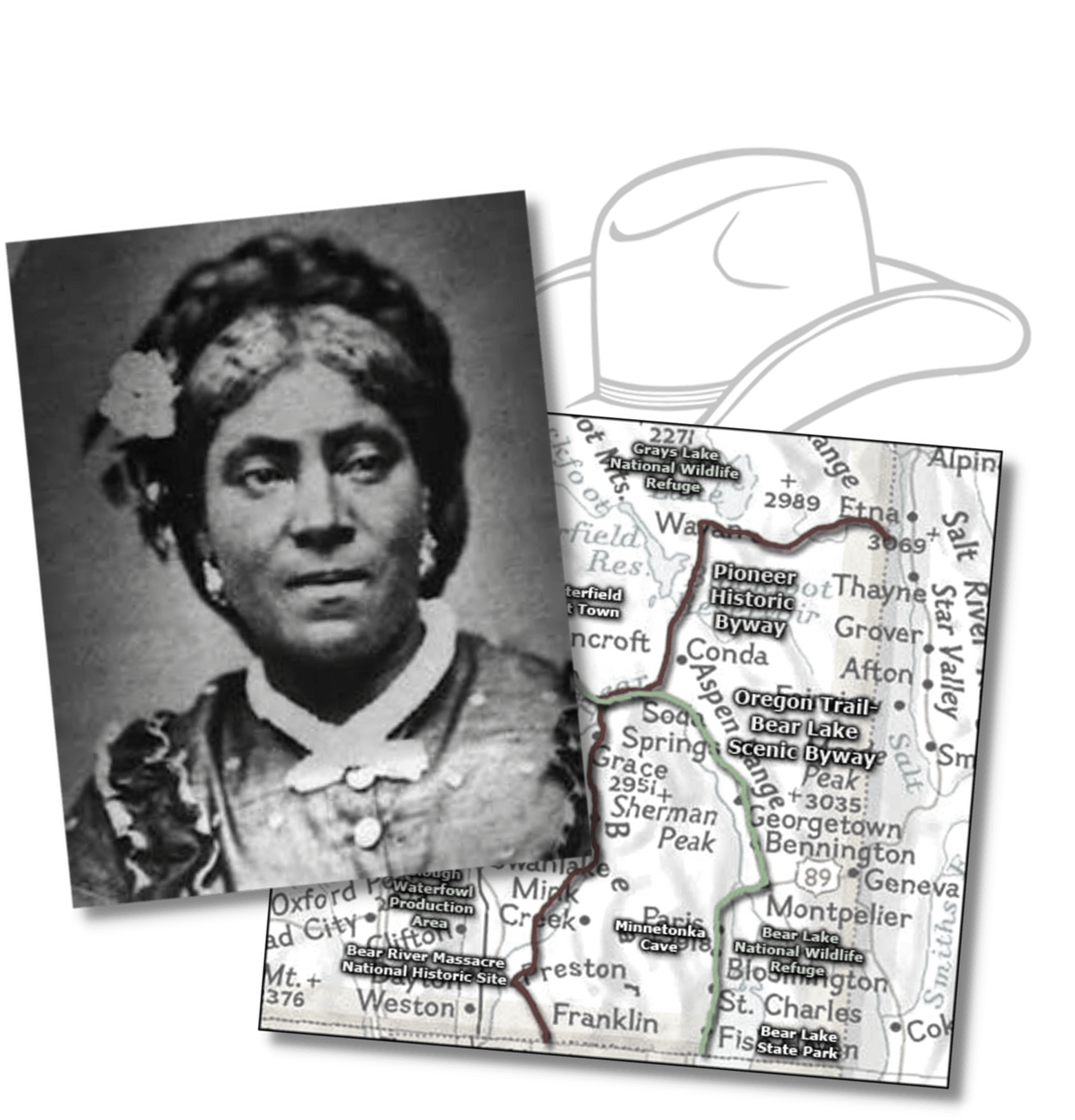
“Mother George owned a ranch and practiced frontier medicine in the Grays Lake area. She delivered babies for Black and white families through the gold rush years and later. When Mother George died, her secret was discovered” – She was assigned male at birth and had been living as a woman long enough for this to have come as a shock to her tiny frontier town.
There is not much that we know about her, but according to the Idaho State Journal the back of a photo found in the Clyde Anderson photo collection was marked with a note “Mother George who lived at Grays Lake and is buried there. She was a midwife and a successful doctor. Her father was a Negro and her mother was an Indian.”
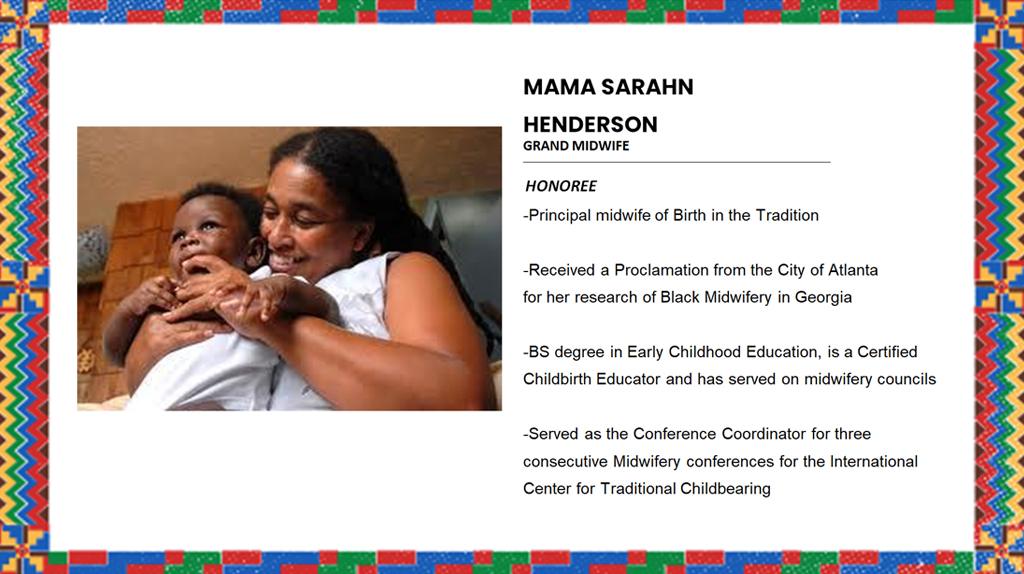
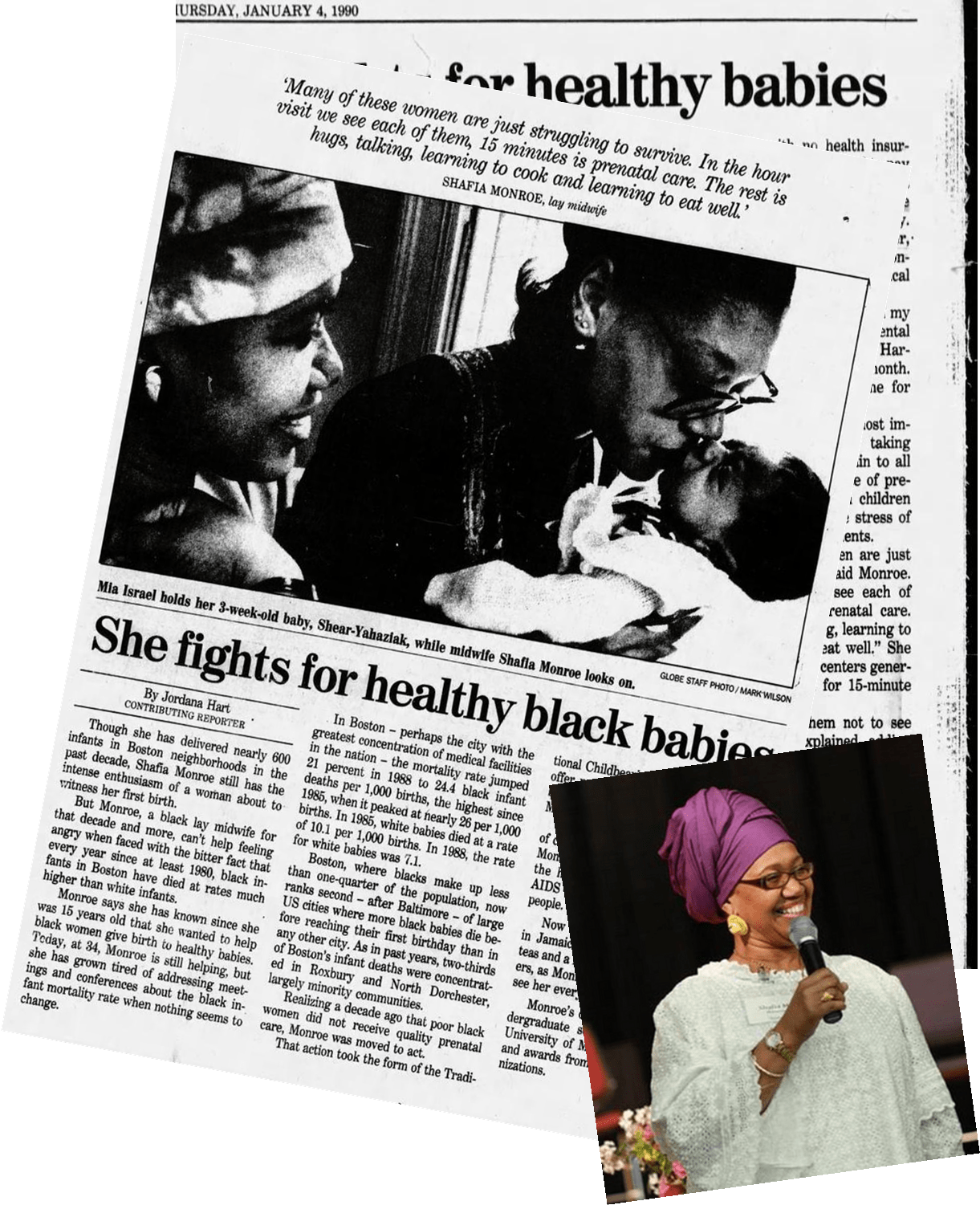
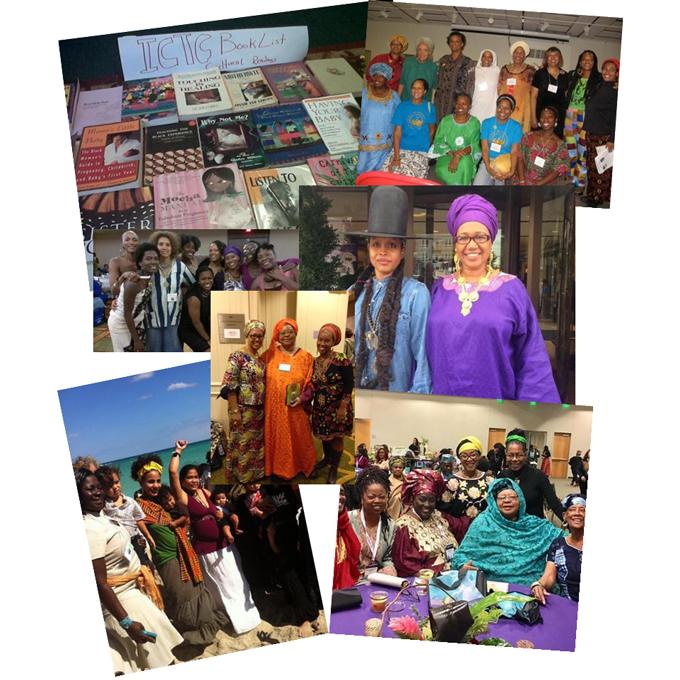
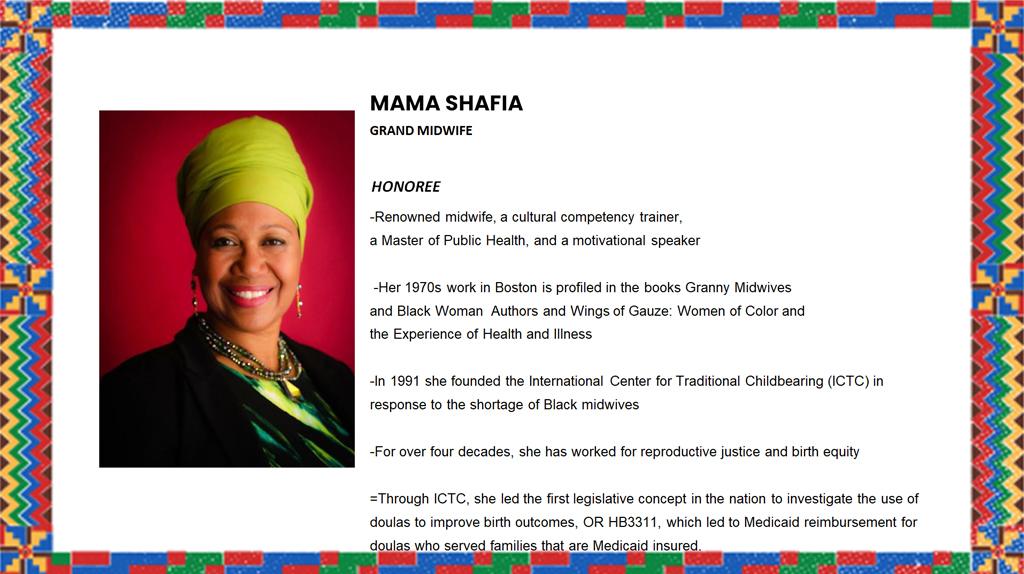
With the support of Ayanna Ade and other educators, Mama Shafia Monroe, after witnessing a deep void and lack in birthworkers of color in Portland, Oregon where she had moved her family in 1990, founded the International Center for Traditional Childbearing (ICTC) in 1991 to fill the gap. The years of ICTC were a fervor of rich gatherings among birthworkers of color across the country, seeding, watering and nourishing connections, and collective visions. Birthworkers that attended ICTC recall the incredible sense of community and support they felt in their work. With Mama Shafia’s leadership, ICTC’s mission was to increase the number of midwives, doulas, and healers in order to reduce infant and maternal mortality, increase breastfeeding rates, and empower families. “Its vision was that there be a midwife for every community, a healthy baby born to every family and the midwife as the norm for women of color.”* In 2016, Mama Shafia retired and in the following years, ICTC transitioned into the National Association to Advance Black Birth.
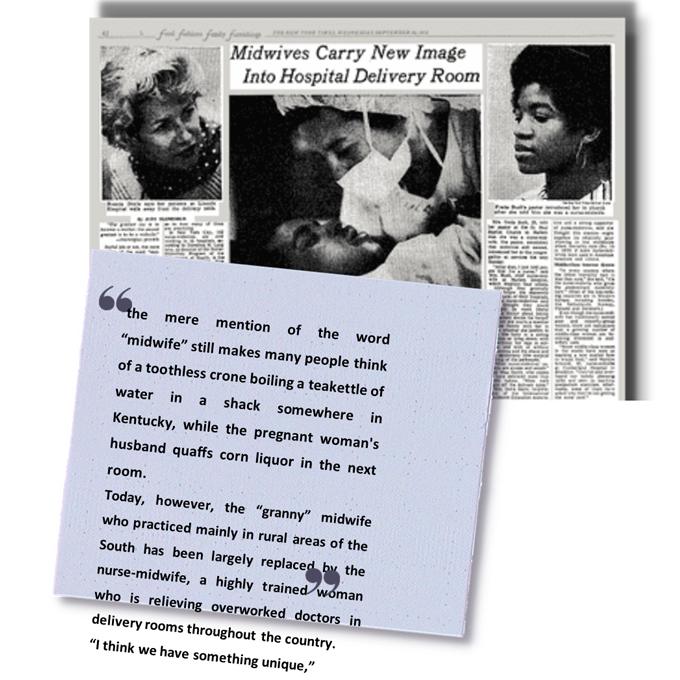
Since their founding, major midwifery organizations in the United States have done significant work in advocating for the midwifery model of care that centers clients and families and the natural physiologic process of birth as well as honoring the ancient craft of midwifery. They’ve created a variety of key professional resources for practicing midwives across the country. But like many institutions across the United States, organizations like Midwives Alliance of North America (MANA), American College of Nurse-Midwives (ACNM), and the National Association of Certified Professional Midwives (NACPM) have grappled with racist histories and created hostile environments for midwives of color in the past. Throughout the decades, Black midwives and their allies within these organizations have been persistent, courageous, and clear in their goals to make these spaces truly inclusive for midwives of color.


Midwifery care is holistic, healing, and humanistic. It has a rich herstory and legacy in communities of color.
2024 Birth Justice Network. All Rights Reserved